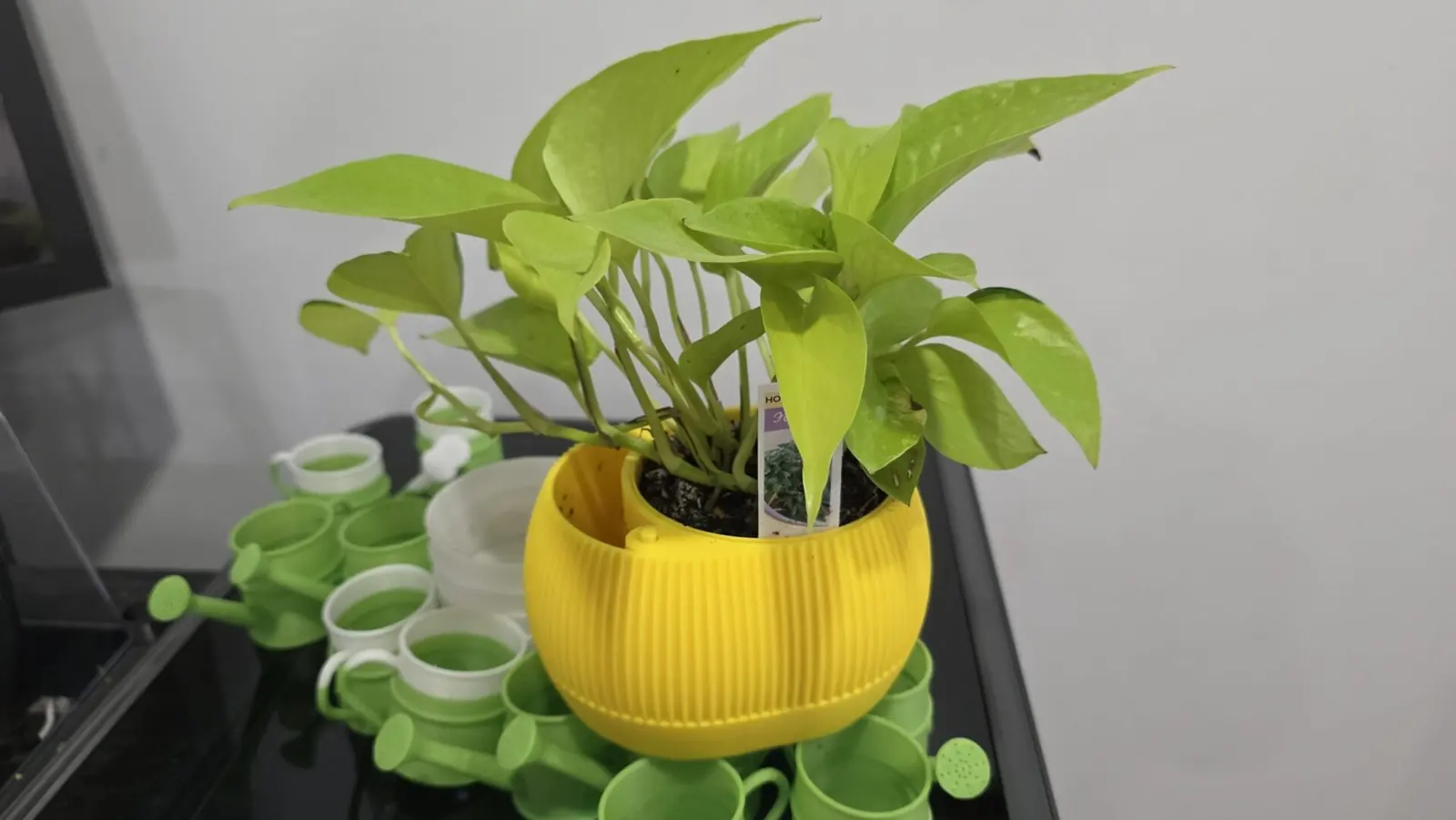
The 3D printer ran for about three hours. I stood there for the first ten minutes watching the head move back and forth, laying down plastic in thin lines, and then I walked away to do other things. When I came back, a planter was sitting on the build plate, small, white, with a reservoir at the bottom designed to wick moisture up into the soil. It waters itself. You fill it once, set the plant in, walk away, and the roots find what they need without you standing over them.
I held it in my hand for a while.
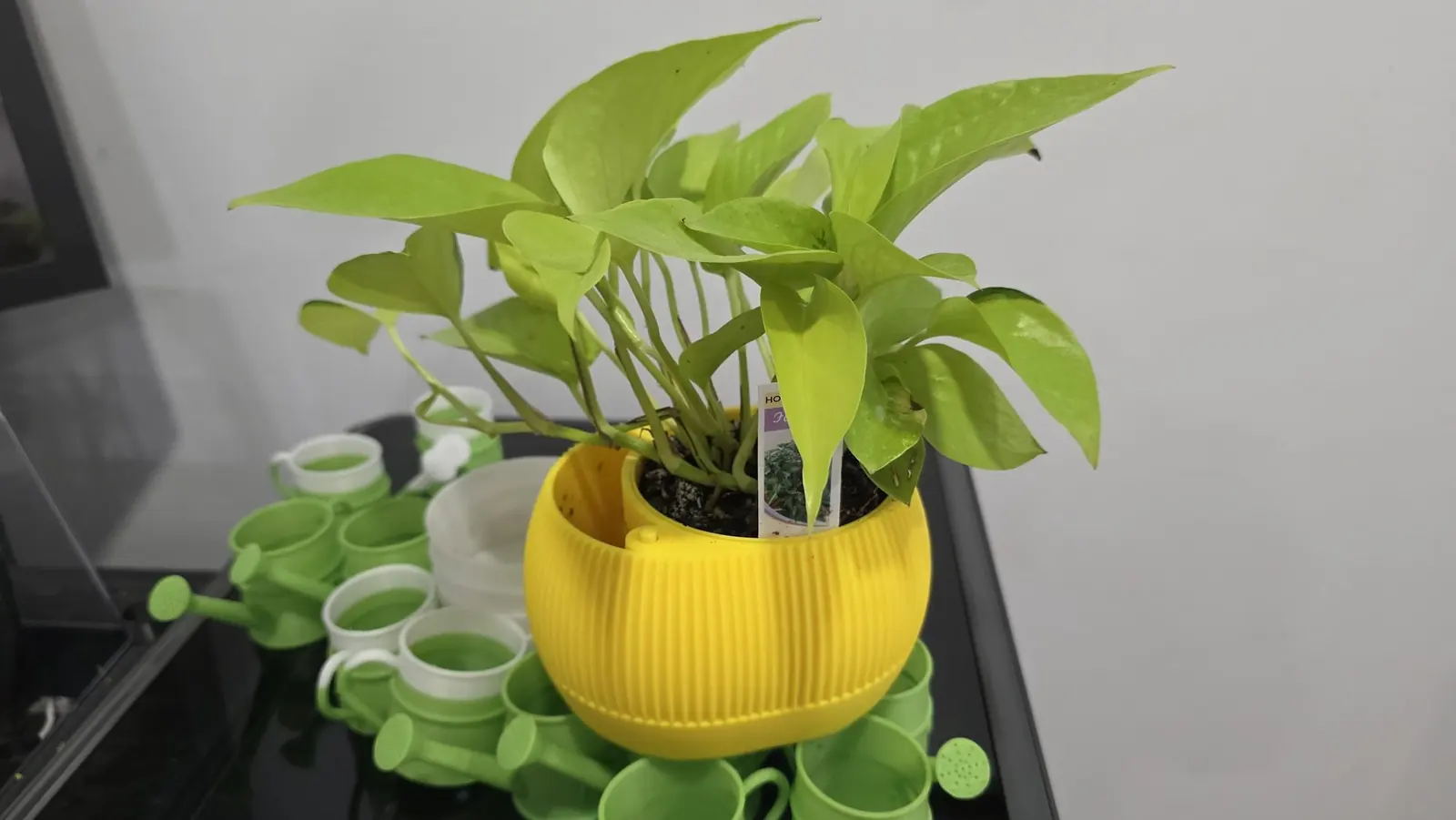
There is something in that concept that keeps catching me. Care built into the structure itself, rather than dependent on your constant attention. Not a reminder. Not willpower. Not good intentions that wear out by Thursday. The watering happens because the object was designed for it, and the plant does not need you to remember. I have been carrying that idea the way you carry a phrase you keep circling back to, like it is pointing at something you already almost know.
Matthew 11:28-30 had been sitting open on my desk this week. Come to me, all you who are weary and burdened, and I will give you rest. I have read that passage more times than I can count. I usually land on rest like it is a destination, something waiting at the finish line of effort. This week I read it differently. The yoke is easy. The burden is light. Not eventually. Not as a reward for getting through. Structurally. The rest is not the thing waiting past the hard part. It is in how the work is shaped to begin with.
I do not fully know how to hold that yet. I still catch myself in the old posture, treating rest like something earned by finishing. But the planter is sitting on my desk now, a tomato seedling already starting to push upward, and the roots do not know anything about earning. They go where the water is. The reservoir does what it was made to do.
There is something clarifying about making a physical thing. The printer does not care about the novel in progress or the draft that is not working or the chapter I have rewritten four times. It runs the file, lays the plastic, finishes the object. The planter either holds water or it does not. That kind of clear feedback is not something books offer. I think I needed a few hours of something that just worked.
I wonder sometimes if the books work the same way. If the right structure means the reader does not feel managed, just met. If the care is in the architecture and not in the author hovering over every line worrying whether it landed. That might be what I am still learning to trust.
Eileen and I are at the Craft and Herb Festival in downtown Wadsworth this Saturday, May 9, from 9 AM to 4 PM. She will have the Frances books. I have been printing more of these planters this week. Something about having a physical object built from the same hands that write about grief and gardens feels honest. A few of them will make it into the car.
If you are local, come by. The booth will be the one with the books and the small planters.
What have you made lately that tends to something while you are not watching?
Subscribe to From the Still Garden
A quiet newsletter from Cisco Mills, sent when there is something to send.